
Automated Temperature Monitoring for Smart Kitchens
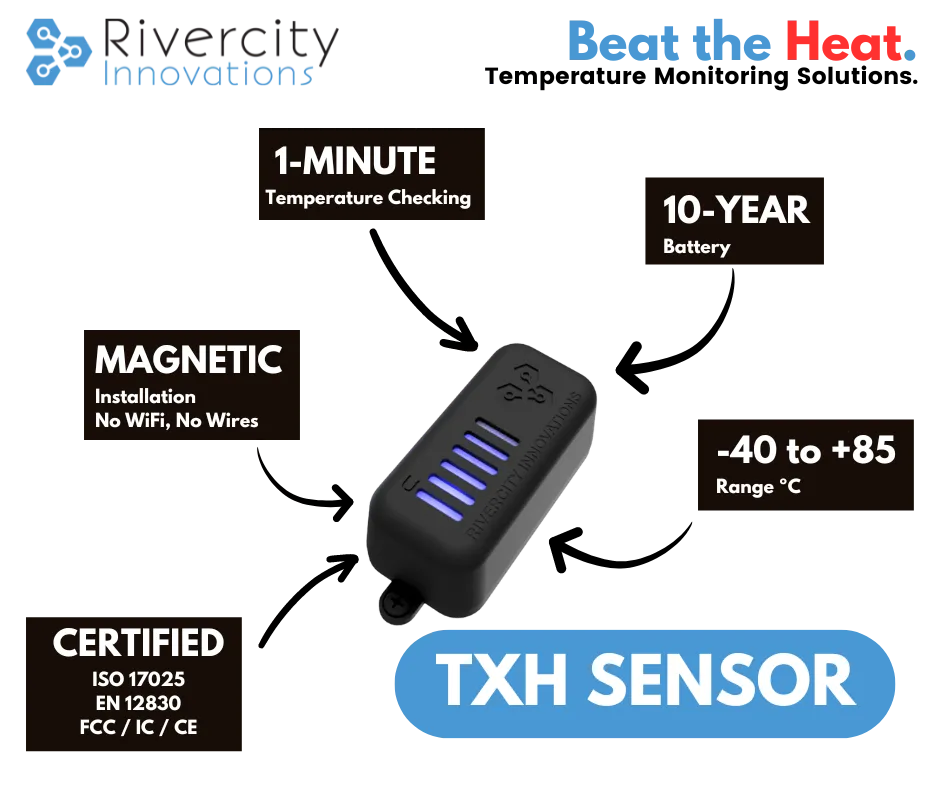
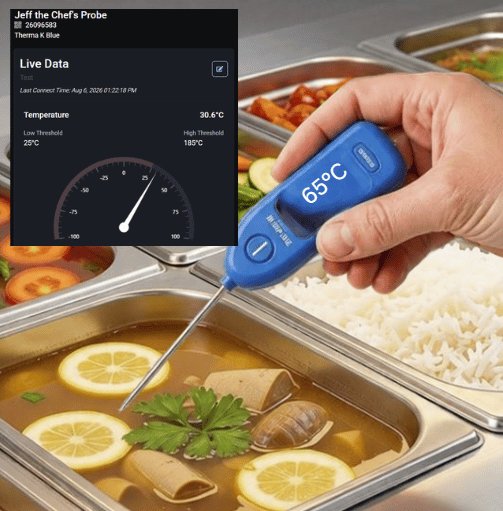
Sensors check temperatures every 60 seconds. BLE Probe for top stock and on demand line checks catch problems instantly and log temps to the app. Alerts prevent losses in your operation from equipment and process failures.
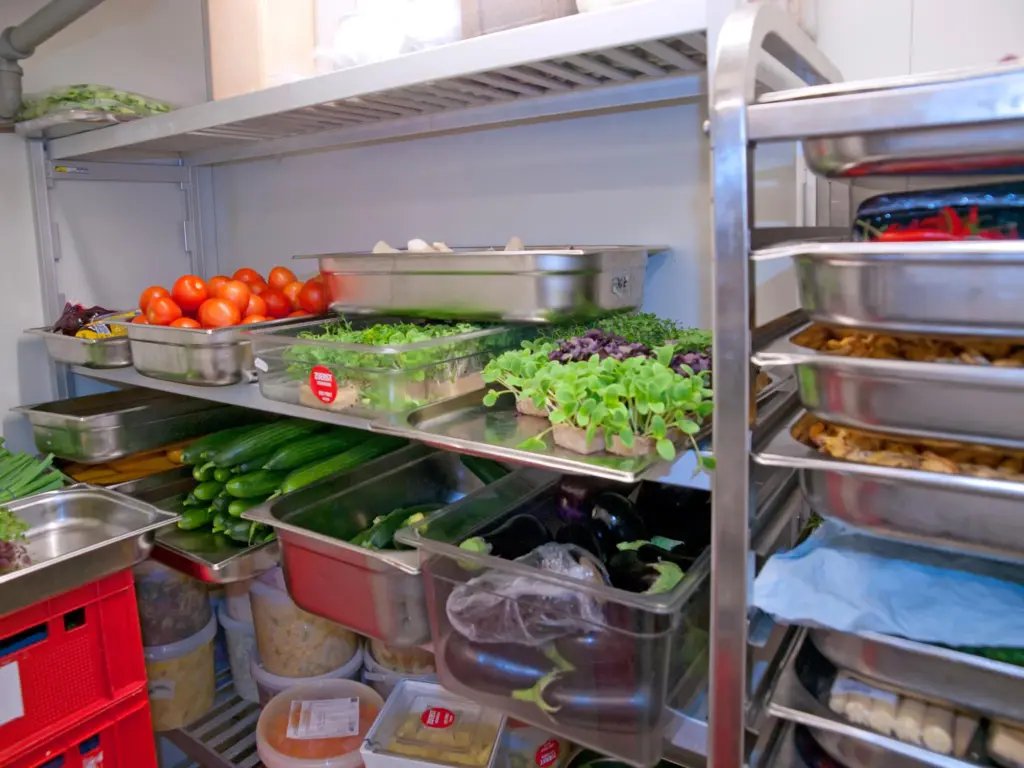
Automated restaurant temperature monitoring tracks coolers, freezers, walk-ins, and hot holding equipment around the clock, every single minute. When something goes wrong, the system sends a text or email alert immediately.
AI predicts equipment problems before they are visible. Operational efficiency gains deliver strong ROI.
Proud Partner

Temperature Failures Cost Restaurants Thousands in Lost Inventory
$8,000+


Average annual loss from preventable equipment failure and food spoilage
15-20 hours
Monthly staff time spent on manual temperature logs per location
$1,300–$10,000
Average fine for a critical cooling or heating violation by Health Canada.
Manual Checks Create Blind Spots
Most restaurants check temperatures two or three times per day. Staff members walk through the kitchen with a clipboard, write down numbers, and move on. But problems do not wait for the next scheduled check.
Compressors fail at 2 AM. Power outages happen on long weekends. Hot holding equipment loses heat during a busy dinner rush. By the time staff discover these problems, the damage is often already done.
Cold Storage Risks
- Walk-in compressor fails overnight
- Reach-in door left ajar after closing
- Power outage during a long weekend
- Health Canada requirement: Cold foods at 4°C (40°F) or below
Hot Holding Risks
- Steam table runs out of water
- Heat lamp bulb burns out unnoticed
- Hot cabinet loses power mid-service
- Health Canada requirement: Hot foods at 60°C (140°F) or above
How Automated Monitoring Protects Your Restaurant

Instant Alerts, Day or Night
Sensor alerts send a text message when temperatures leave safe ranges. A walk-in warming above 4°C (39°F) triggers a notification. A steam table dropping below 60°C (140°F) triggers a notification. Kitchen managers receive alerts in real time.

Predict Problems Before They Happen
The Rivercity platform detects when equipment works harder than normal. The software flags a compressor that runs constantly or a heating element that struggles to maintain temperature. Early warnings prevent emergency breakdowns.

Automatic Compliance Reports
Health inspectors want to see temperature records with timestamps. The Rivercity platform logs every reading automatically. Staff no longer fill out paper forms or worry about missed entries.

Give Your Staff Their Time Back
Manual temperature checks can consume 15 to 20 hours of staff time per month at each location. Automated monitoring eliminates this task. Kitchen staff focus on food prep and service instead of paperwork!
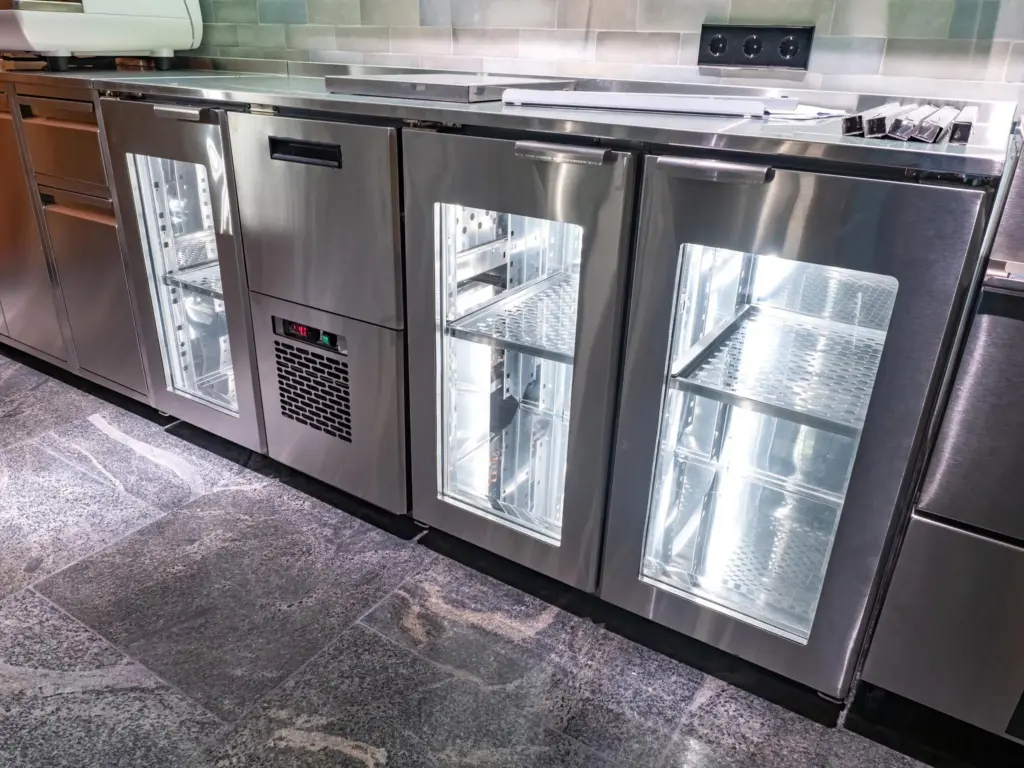
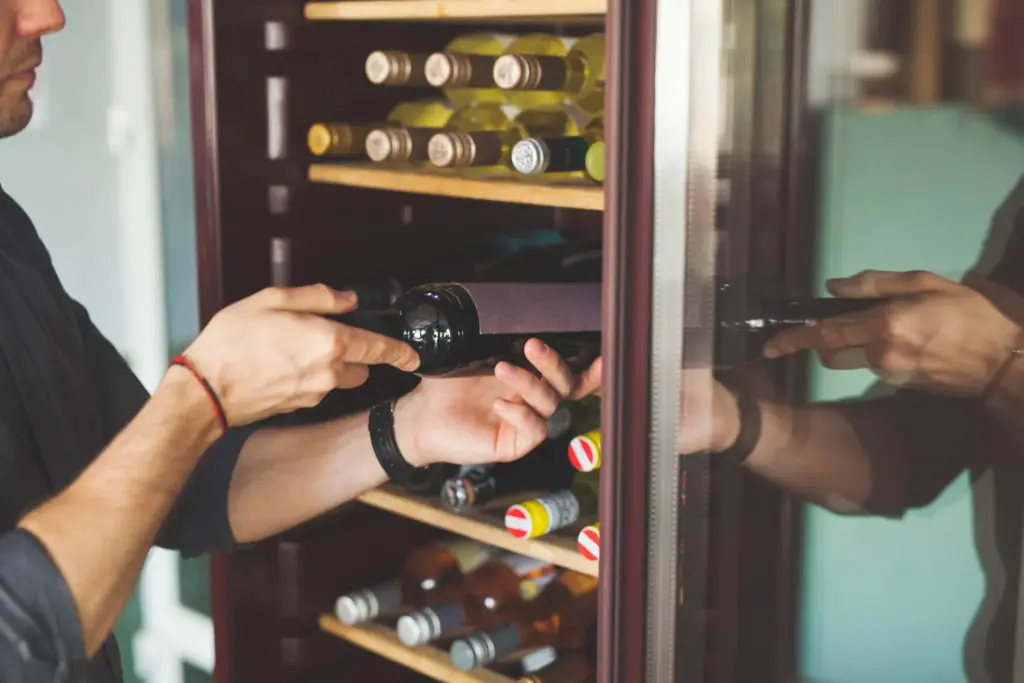
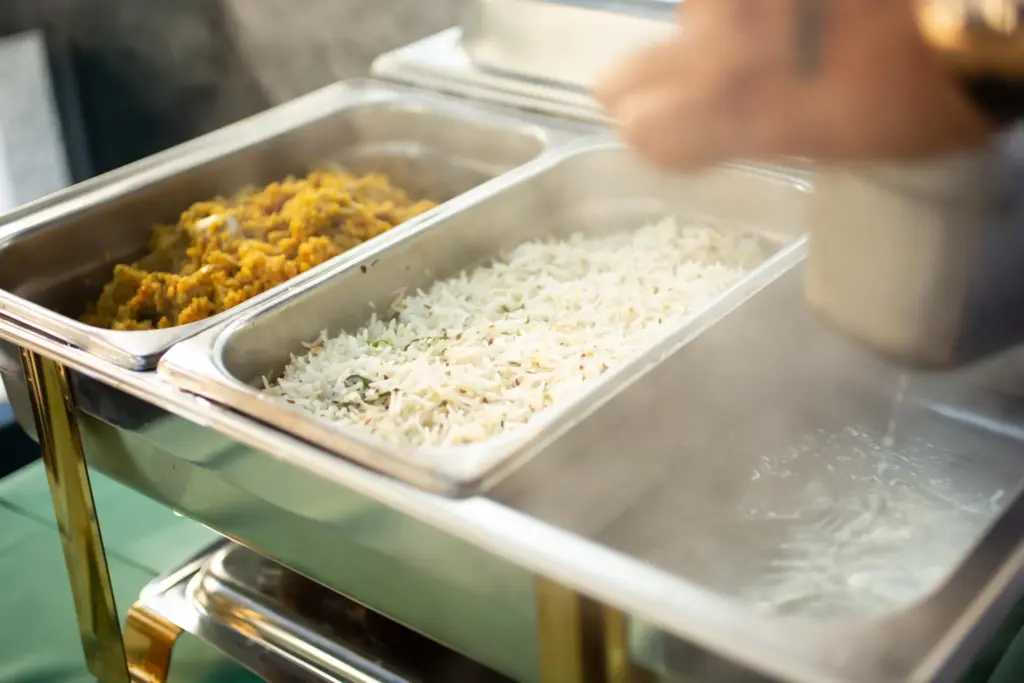
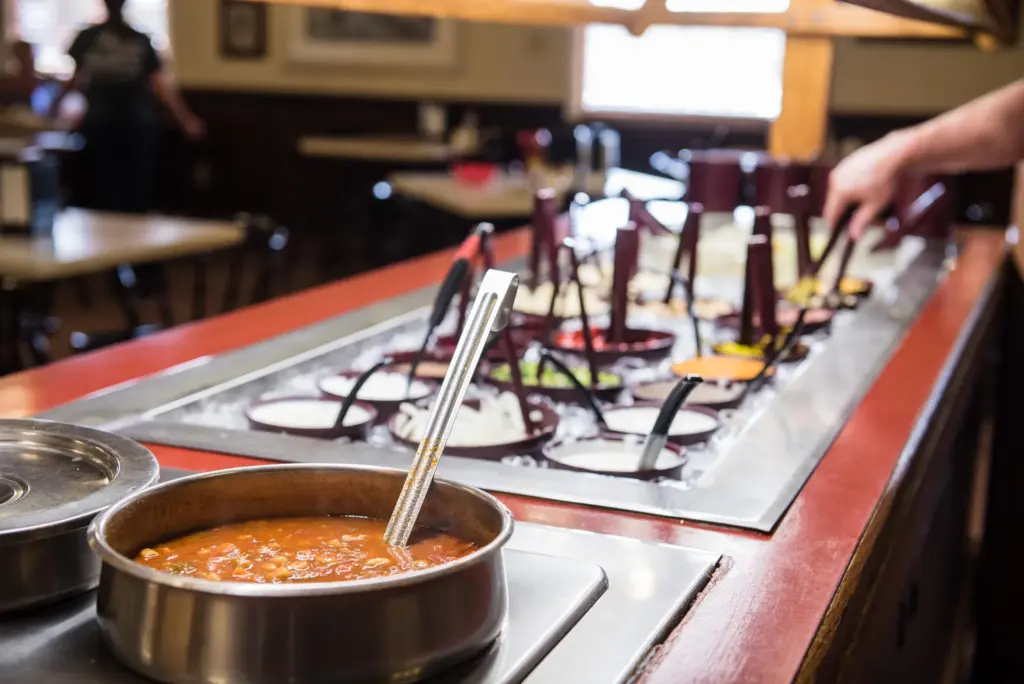
One System Covers All Temperature Equipment


Real Results From Real Restaurants
Here's how we’ve saved owners thousands of dollars in lost inventory:

Helping a National Restaurant Chain Reduce Food Waste and Optimize Operations
Our solution helped Earl’s Kitchen & Bar safeguard perishable ingredients with real-time temperature monitoring. We help ensure food safety compliance, reduced spoilage, and optimized kitchen operations. If you manage temperature-sensitive inventory, their success story could be yours too.
“Since installing the temperature monitoring system, we’ve had complete peace of mind in our kitchen operations. It’s helped us avoid food spoilage, stay health-code compliant, and save money on wasted inventory..”
— Earls (Current Client)
Install Automated Monitoring in 3 Simple Steps
Ready to see how easy it is to get started? The setup process is simpler than you might expect.
Place the Sensors, pair a Probe
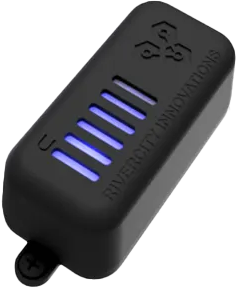
Deploy our TxH sensors in your coolers, freezers, walk-ins and line equipment.
Add a BLE Probe paired to your phone for line checks, top stock and instant alerts for food safety requirements, creating a log at the same time.
Connect the Gateway
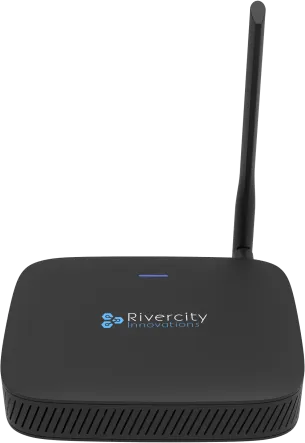
One small gateway per store connects all your sensors, both cold and hot. Plug it into ethernet or use cellular—either works. No WiFi passwords needed!
Log Into Your Dashboard
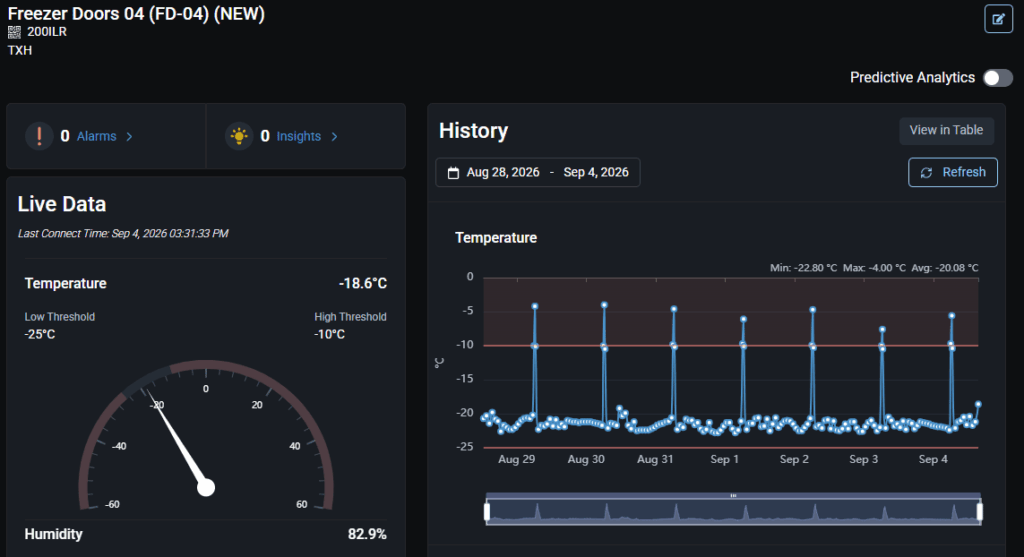
See all your equipment in one place! View your freezers, coolers, and hot cases on a single screen. Set your alert thresholds for each (5°C or 41°F for cold, 57°C or 135°F for hot). That’s it! You’re protected.
Our Sensors Work Where WiFi Doesn’t
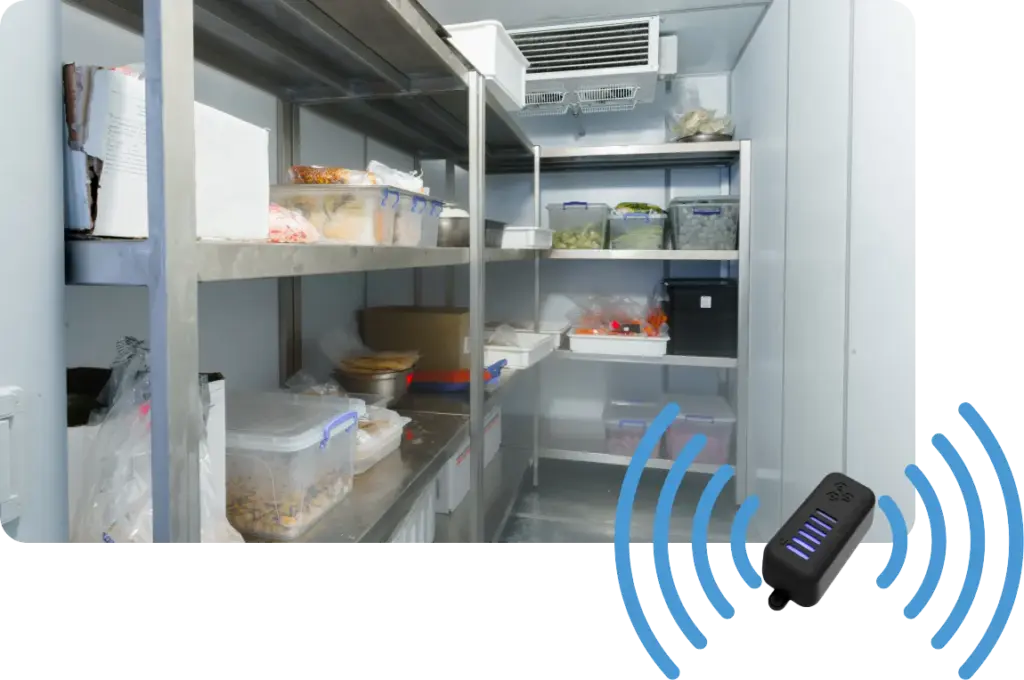
Rivercity uses a different wireless technology that passes through metal and concrete without problems. The signal reaches the gateway even from deep inside a walk-in freezer.
No network configuration. No IT tickets. No passwords!
Restaurant Cooler Failures Follow a Predictable Escalation Pattern
Walk-in cooler failures most often begin during overnight hours when no kitchen staff are present to detect a problem. Cold storage temperatures rise above the 4°C (40°F) Health Canada threshold within hours of a compressor stopping, and the average annual loss from preventable equipment failure reaches $8,000 or more per restaurant location. A compressor approaching failure runs continuously without cycling off — a measurable signal that the Rivercity platform detects and alerts on before a full breakdown occurs, making a $500 service call possible before a $10,000+ replacement becomes necessary.
Automated Monitoring Closes the Overnight Blind Spot
TxH sensors check cold storage temperature every 1 minute, 24 hours a day, capturing the gradual temperature rise that manual spot checks — taken two or three times per day — never record. When a walk-in freezer fails overnight, the Rivercity platform sends an SMS alert to designated kitchen managers within minutes of the threshold breach. One restaurant operator received a high-temperature alert on Canada Day while away from the store, contacted the local utility company by phone, and restored power within 2 hours — preventing more than $100,000 in product loss that would have gone undetected for 18 to 20 hours without automated monitoring.
Equipment Failures Manual Checks Cannot Catch
- Overnight compressor failure — cold storage warms above 4°C (40°F) hours before the morning shift arrives, while automated monitoring sends an SMS alert within minutes of the breach.
- Long weekend power outage — the restaurant sits closed for multiple days with no manual checks scheduled, while automated monitoring detects the temperature rise immediately and alerts operations staff.
- Walk-in door left ajar after closing — warm ambient air enters continuously through the night, while automated monitoring detects the gradual temperature rise and alerts kitchen managers within minutes.
- Heat lamp burnout during a busy dinner service — hot food temperatures drop below the 60°C (140°F) Health Canada requirement unnoticed during a service rush, while automated monitoring sends a real-time alert to the kitchen manager.
HACCP Temperature Logs Require Timestamped Records at Every Critical Control Point
Many HACCP programs require documented temperature monitoring at critical control points — a step in food handling where a failure creates an unacceptable health risk to customers. Health Canada defines cold storage as a critical control point at or below 4°C (40°F) and hot holding at or above 60°C (140°F). Manual logs fail these requirements when staff miss scheduled checks, record estimated readings, or lose paper forms to moisture and temperature damage in kitchen environments.
The Rivercity platform records every 1-minute temperature reading with an automatic timestamp, creating a continuous digital log at each critical control point across the restaurant. Compliance reports are exportable and can be scheduled to email automatically to food safety officers or operations directors on a defined cycle. Rivercity sensors are used in environments that require NIST-aligned measurement practices, and the monitoring system supports EN12830-aligned workflows for operators with European compliance obligations — giving food safety officers defensible, auditable records across both North American and European regulatory environments.
HACCP Records Automated Monitoring Produces
- Continuous temperature records at each critical control point — a reading every 1 minute at each sensor location, producing an unbroken log that satisfies HACCP continuous monitoring requirements.
- Timestamped entries for every recorded temperature — each data point carries an automatic timestamp, eliminating the manual entry errors that create compliance gaps in paper logs.
- Documentation of corrective action triggers — when a breach occurs, the Rivercity platform records the alert event alongside the temperature data, showing the restaurant detected the problem and responded.
- Long-term data retention for historical audits — electronic records remain stored and accessible over multiple years, satisfying HACCP retention requirements and supporting equipment maintenance trend analysis.
WiFi Signals Lose Reliability Inside Metal Walk-In Coolers and Freezers
Walk-in coolers and freezers typically use metal-lined walls and stainless steel doors, and metal surfaces reflect WiFi radio signals rather than allowing the signals to pass through. A WiFi temperature sensor inside a walk-in cooler must transmit through multiple layers of reflective material to reach a router outside the unit, producing signal loss that causes dropped connections and missed readings. Gaps in a temperature log from dropped WiFi connections create the same compliance exposure as gaps from missed manual checks.
LoRaWAN signals penetrate buildings and obstacles more reliably than Wi-Fi in many environments, maintaining a continuous connection from inside a walk-in freezer to the Rivercity gateway located elsewhere in the restaurant. The Rivercity gateway requires only an ethernet cable connection — no WiFi passwords, no network configuration, and no IT support. TxH sensors run on a single battery for up to 10 years, requiring no power cable or outlet inside the cooler, which eliminates the ongoing battery replacement cost that high-power WiFi sensors create.
LoRaWAN vs. WiFi Sensor Performance Comparison
| Factor | WiFi Sensor | LoRaWAN Sensor (TxH) |
|---|---|---|
| Signal penetration through metal | Poor — metal walls reflect WiFi signals, causing dropped connections | Strong — passes through metal and concrete with significantly less signal loss in most environments |
| Battery life | Short — high power draw requires frequent recharging or hardwired power | Up to 10 years — low-power transmission preserves battery across years of deployment |
| Network configuration required | Yes — WiFi password and network setup needed at each location | No — ethernet connection only; no credentials or IT configuration needed |
| Urban coverage range from gateway | Up to approximately 100 meters indoors under ideal conditions | Up to 2 km in urban environments from a single gateway |
Multi-Location Restaurant Groups Monitor All Sites From One Dashboard
A restaurant group operating multiple locations cannot rely on per-site staff to manually check temperatures and report compliance status to an operations director across all sites simultaneously. The Rivercity dashboard displays real-time temperature data for monitored equipment at each location, and each site generates its own timestamped compliance record automatically — accessible from the Rivercity platform for review, export, and audit submission without requiring on-site visits.
When a sensor at any location detects a breach, the Rivercity platform sends an SMS and email alert within minutes, identifying the specific sensor and the temperature reading that triggered it. The 7Shifts integration records each alert directly into the 7Shifts Manager Log Book with a timestamp, linking every temperature event to the shift management system where corrective actions are documented. Groupex members purchasing through the Rivercity approved vendor program receive an exclusive rebate on monitoring solutions, and Rivercity is expanding group purchasing partnerships in the United States to give American restaurant operators and franchise groups access to the same technology through recognized buying programs.
Automated Monitoring Outperforms Manual Logging
| Manual Logging | Automated Monitoring | |
|---|---|---|
Temperature Checks |
2-4 times per day |
Automatic, every 1 minute, 24/7 |
Overnight Coverage |
None when restaurant is closed |
Full coverage with instant alerts |
Cold Storage Monitoring |
Spot checks only |
Continuous monitoring with alerts |
Hot Holding Monitoring |
Often skipped during busy service hours |
Continuous monitoring with alerts |
Staff Time Required |
15-20 hours per month per location |
Near zero |
Compliance Reports |
Manual paperwork |
Digital logs with automatic timestamps |
Equipment Failure Detection |
After the fact |
Alerts before inventory loss occurs |
Human Error Risk |
Missed checks, wrong readings, lost forms |
Eliminated |
Standards & Programs Supported by Rivercity Monitoring
Our monitoring systems are designed to support the environmental controls, documentation, and traceability required by recognized industry standards and regulatory programs.*
By automating temperature and environmental monitoring, we help organizations meet the operational requirements needed to qualify for or maintain compliance with programs such as:
HACCP Compliance
Our monitoring supports HACCP programs by continuously tracking critical environmental conditions and providing documented temperature logs to help demonstrate control at critical points.

NIST Standards
Our systems use calibrated sensors that support NIST-traceable measurement practices, helping organizations maintain reliable, auditable temperature records for regulated environments.