
Automated Temperature Monitoring
Sensors Predict and Detect Equipment Failures the Moment They Happen
Automated grocery temperature monitoring is a system that provides continuous oversight for refrigerated and heated equipment. Our wireless sensors check your coolers, freezers, walk-ins, deli cases, hot food bars, rotisserie displays, and prep areas… every single minute, day and night.
When something goes wrong, whether a freezer warming up or a hot case cooling down, you get a text or email immediately.
Deploy your entire store in under 3 hours. No wiring. No WiFi passwords. No IT headaches!
Proud Partner DCI and CFIN


Real Results From Real Grocers
Here's how we’ve saved other store owners thousands of dollars in lost inventory:

Helping a National Grocery Chain Reduce Food Waste and Keep Products Fresh
Our temperature monitoring solution helped Co-op maintain product freshness, reduce waste, and stay compliant with food safety regulations. They experienced the measurable impact of real-time alerts and remote monitoring across multiple store locations. If you’re looking to improve efficiency and protect perishable inventory, their success could be yours too.
$100,000+ Saved
Our system spots early warning signs of equipment failure: a condenser running too hard, a heating element struggling to maintain temp. A quick maintenance call beats a $10,000 emergency any day.
— Rob (Ontario, Canada)
$25,000+ Saved
Our system flagged a late night freezer failure due to defrost getting stuck. We moved the meat to another freezer in time. This saved us over $25K in meat being thrown out—paying for years of the system in one night.
— Cam (British Columbia, Canada)
$9,500+ Saved
Due to the alerts, we brought in a service technician. A $500 repair saved a minimum $10,000 repair on one of our lines. Loving the new system.
— Tarik, Store Owner (Manitoba, Canada)
Entire Cooler Bank Saved
Your solution alerted us to a condenser that wasn’t cleaned in Spring. We would not have known this without the Early Failure Detection feature—you prevented an entire cooler bank failure.
— Blake (Manitoba, Canada)
Trusted By Leading Grocers Across North America

















Equipment Failures Cost Grocers Thousands in Lost Inventory
$10,000+


Average inventory loss from a single walk-in cooler or freezer failure.
4-6 hours
Weekly staff time wasted on manual temp checks across all equipment, per store.
90%
The number of temperature problems that happen between manual checks/after hours.
Manual Checks Create Blind Spots
Most grocery stores check temperatures twice a day. Diligent teams may check more often. But problems do not wait for a schedule. Compressors fail at 2 AM. Defrost cycles stall overnight. Hot case heating elements burn out during the dinner rush. Staff members leave doors ajar after closing.
By the time your morning staff discovers a cold storage problem, you’re looking at thousands of dollars in spoiled meat, dairy, and frozen goods. And when a hot case drops below safe holding temperature? That’s a food safety violation waiting to happen… and a health inspector’s red flag.
Cold Storage Risks
- Meat and dairy spoilage from compressor failures
- Frozen goods thawing during overnight outages
- Produce wilting from temperature fluctuations
- Health Canada requirement: Cold foods at 4°C (40°F) or below
Hot Holding Risks
- Prepared foods dropping into the “danger zone”
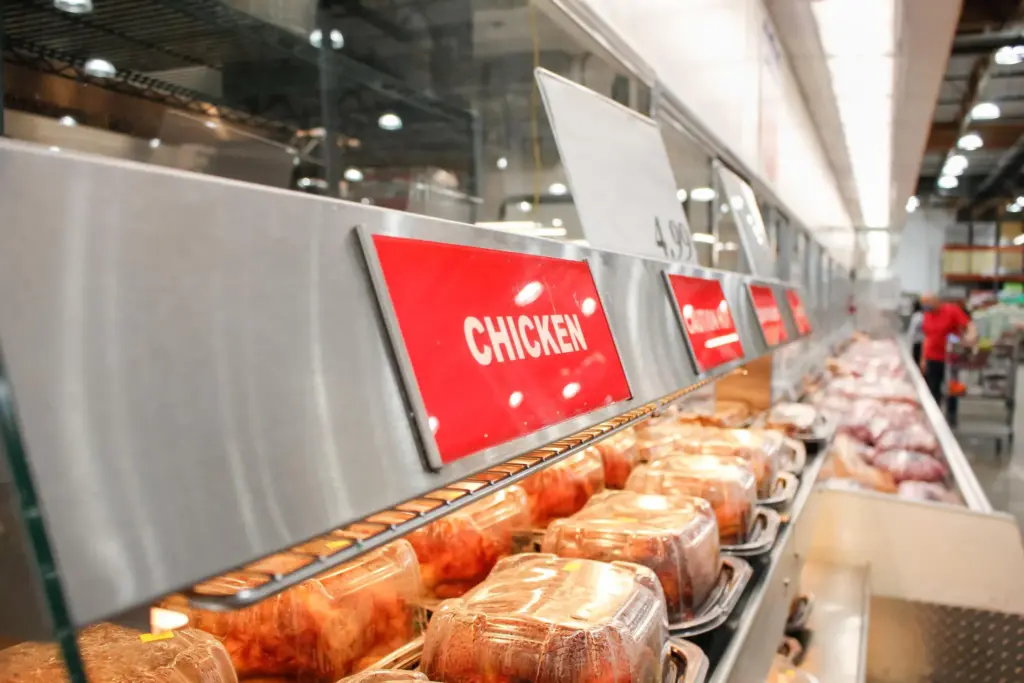
- Rotisserie chickens cooling below safe temps
- Hot bar items becoming bacterial breeding grounds
- Health Canada requirement: Hot foods at 60°C (140°F) or above
How Automated Monitoring Protects Your Entire Store

Instant Alerts, Day or Night
Get a text message the moment temperatures go out of range, whether it’s a freezer warming up or a hot case cooling down. Overnight compressor failure? Deli display dropping below 57°C (135°F)? You’ll know immediately, not the next morning.

Predict Problems Before They Happen
Our system spots early warning signs of equipment failure: a condenser running too hard, a heating element struggling to maintain temp. A quick maintenance call beats a $10,000 emergency any day.

Automatic Compliance Reports
Health inspectors want to see your temperature logs for both cold storage AND hot holding? No problem. Our system generates HACCP-compliant reports automatically. No more clipboards, no more missed entries.

Give Your Staff Their Time Back
Stop paying employees to walk the floor checking coolers, freezers, AND hot cases with thermometers. Automated monitoring means your team can focus on customers and their normal duties, not paperwork.
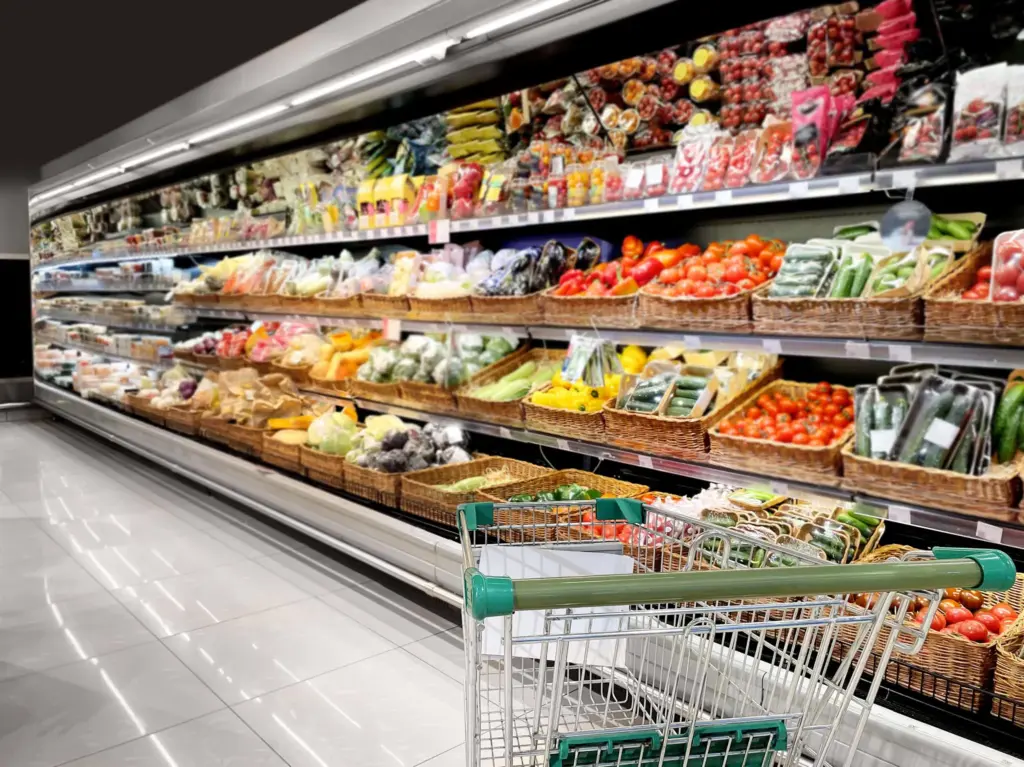
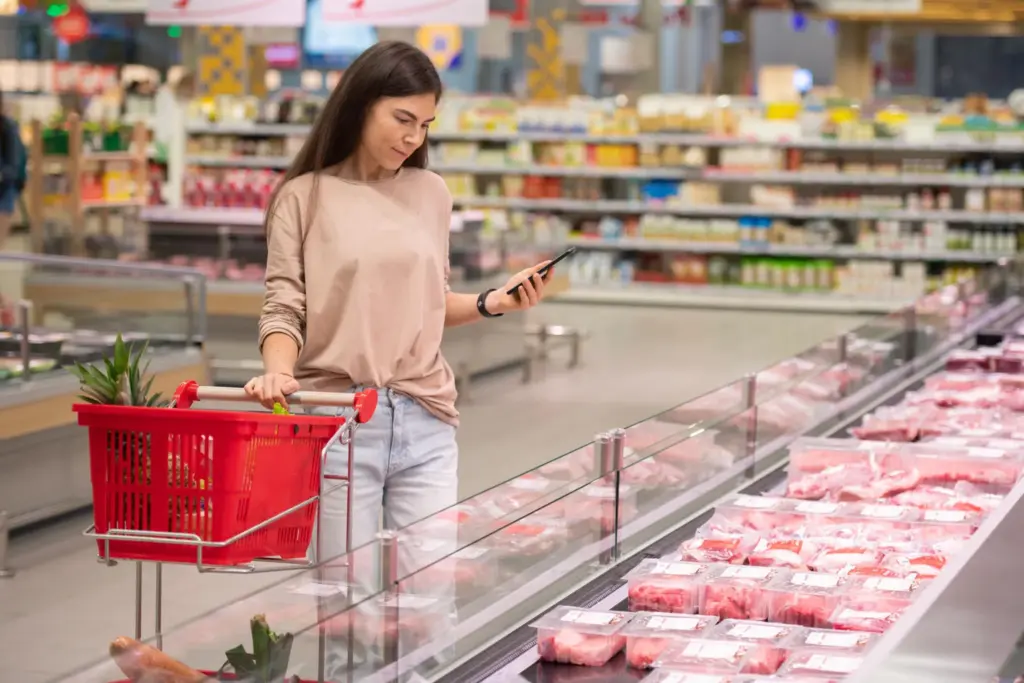
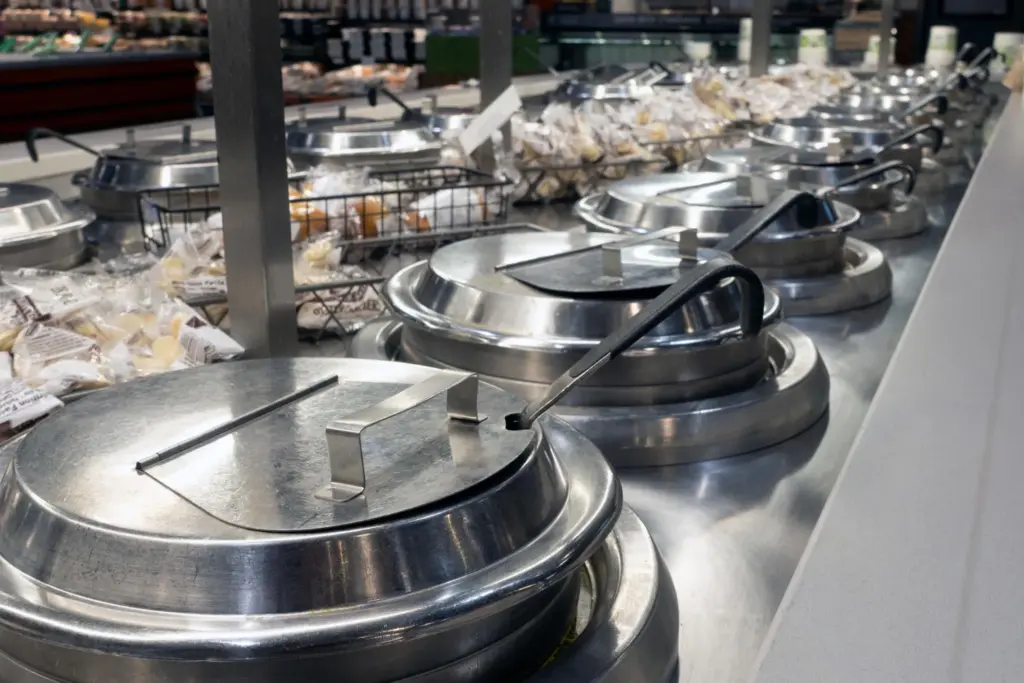
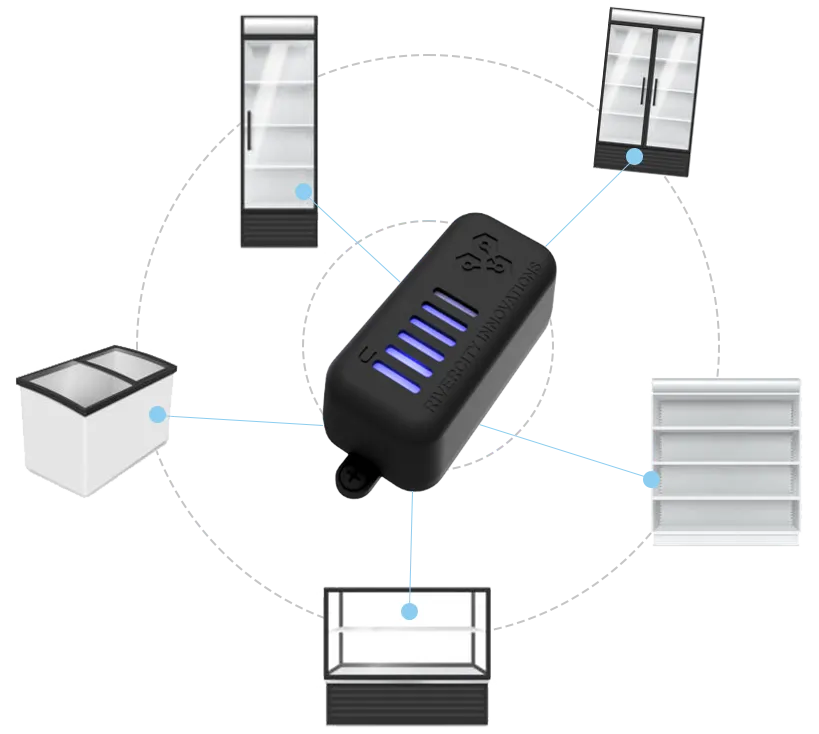
One System Covers All Temperature Equipment




Install Automated Monitoring in 3 Simple Steps
Ready to see how easy it is to get started? The setup process is simpler than you might expect.
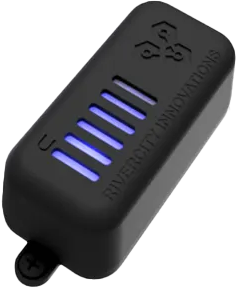
Place the Sensors
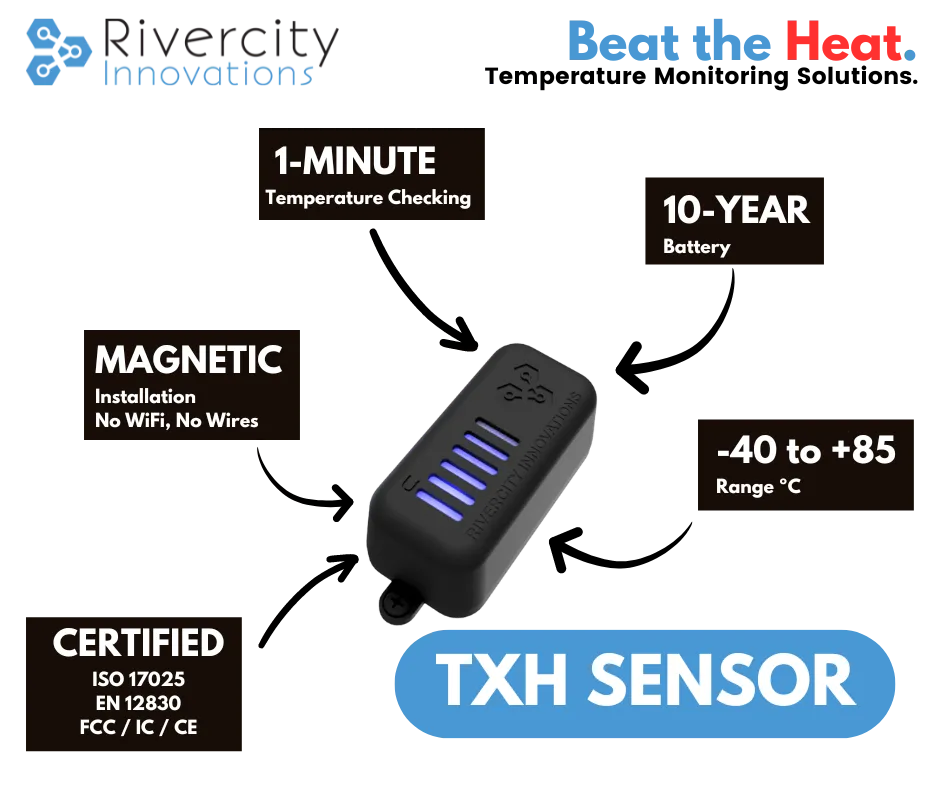
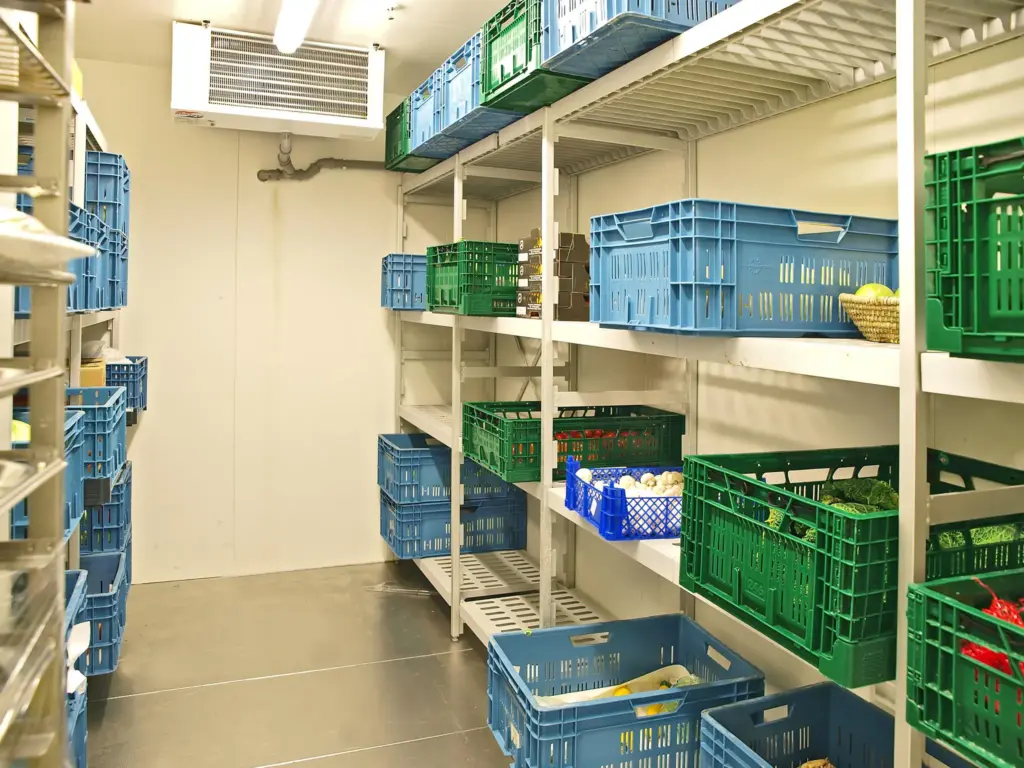
Magnetic or screw mount in coolers, freezers, walk-ins, dairy cases, hot deli displays, rotisserie cases, and hot food bars. Add optional BLE Probe with our solution to check your top stock and deli items. Each sensor takes about 60 seconds to install. Same sensor works for both hot and cold environments.
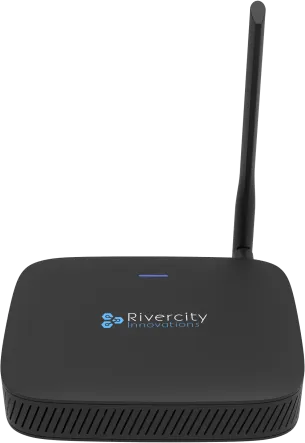
Connect the Gateway
One small gateway per store connects all your sensors, both cold and hot. Plug it into ethernet or use cellular—either works. No WiFi passwords needed!
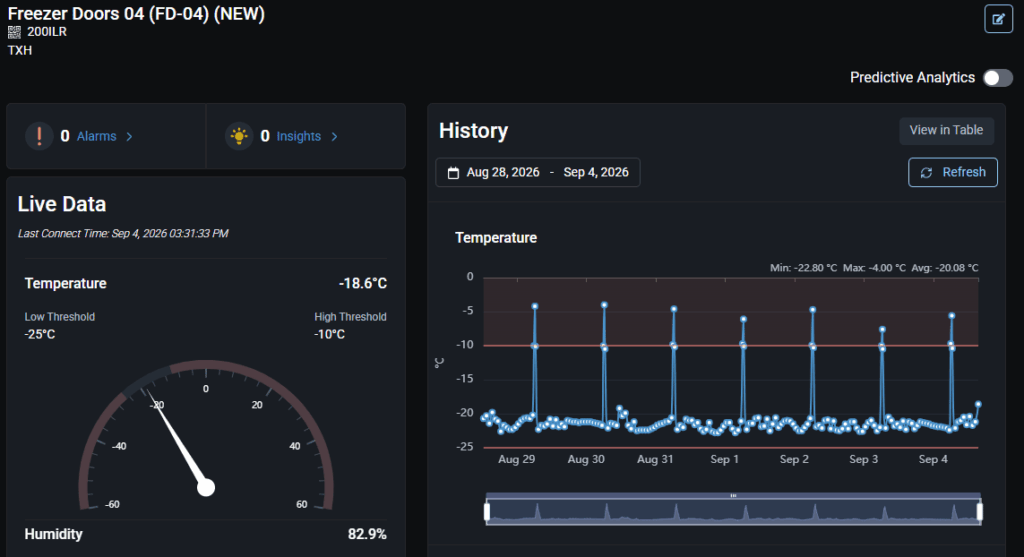
Log Into Your Dashboard
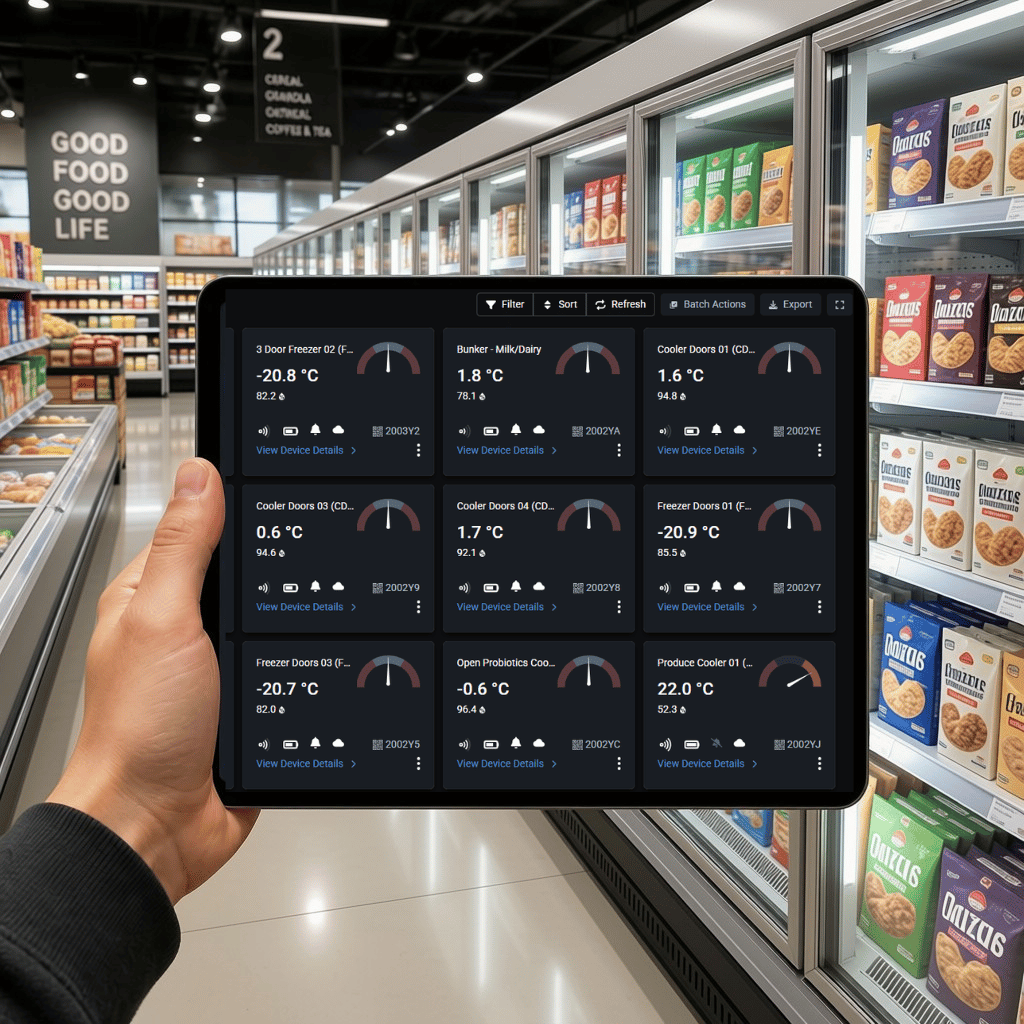
See all your equipment in one place! View your freezers, coolers, and hot cases on a single screen. Set your alert thresholds for each (5°C or 41°F for cold, 57°C or 135°F for hot). That’s it! You’re protected.
Our Sensors Work Where WiFi Doesn’t
Rivercity sensors use a different wireless technology designed for this exact problem. The signal passes through steel walls, insulation, and concrete without issues. The system does not use store WiFi. No passwords to manage. No network configurations. No IT department involvement required!
Hot Holding Monitoring Covers the Compliance Gap Grocers Overlook
Health Canada sets a minimum holding temperature of 60°C (140°F) for hot foods, applying the same regulatory weight to hot deli cases, rotisserie displays, and hot food bars as Health Canada applies to cold storage equipment. Grocery temperature monitoring evaluations that focus exclusively on coolers and freezers leave an entire category of HACCP-documented critical control points without automated oversight. A monitoring system that covers only cold storage delivers incomplete compliance documentation for grocery operations that include prepared food service.
Hot Holding Equipment Fails During Peak Service Hours
Hot case heating elements and thermostat controls fail unpredictably, and peak service hours — when staff focus on customer traffic rather than equipment checks — represent the highest-risk period for undetected temperature drops. A hot deli case dropping below 60°C (140°F) creates two simultaneous problems: a food safety violation under Health Canada regulations and a disposal cost for all affected prepared food inventory. Manual temperature checks during busy lunch and dinner service periods frequently occur late or get skipped entirely, leaving the failure window open until the next scheduled check.
Hot Holding Equipment Types Covered by Automated Monitoring
- Hot deli cases: Require continuous monitoring at a minimum of 60°C (140°F); heating element failures produce gradual temperature drops that manual checks miss between scheduled intervals.
- Rotisserie displays: Temperature fluctuations in rotisserie units affect both food safety compliance and product quality for high-margin prepared food items.
- Hot food bars: Self-serve hot food bars operate across extended service windows, creating a prolonged period during which temperature must remain documented and compliant.
- Soup stations and warming cabinets: Prepared hot foods held in supplementary warming equipment require the same HACCP-documented temperature records as primary hot holding displays.
One Sensor Type Covers Both Hot and Cold Environments
TxH sensors operate across the full temperature range of grocery environments — from walk-in freezers to hot deli cases — using the same sensor hardware throughout. A grocery operation deploying TxH sensors across both cold storage and hot holding equipment manages all temperature data through a single dashboard, rather than maintaining separate monitoring systems for each equipment category. The automated monitoring system generates HACCP-compliant temperature logs for both hot and cold equipment simultaneously, producing audit-ready compliance documentation without requiring separate reporting workflows.
Predictive Failure Alerts Prevent Losses Before Equipment Fails
A reactive temperature alert system triggers a notification after a cooler or freezer breaches its set temperature threshold — at which point the equipment has already failed and product temperature has already begun rising. A predictive monitoring system analyzes 1-minute temperature data to detect equipment behavior patterns that precede threshold breaches, enabling a maintenance response before the compressor or heating element reaches full failure. Grocers evaluating automated monitoring systems should distinguish between these two capabilities, as the financial difference between reactive and predictive detection runs into thousands of dollars per incident.
Compressor and Condenser Failure Patterns Appear in Temperature Trends
A compressor under strain produces a gradual temperature rise over several hours rather than a sudden spike — a pattern visible in 1-minute resolution data that a twice-per-day manual check cannot detect. A blocked condenser causes the compressor to cycle more frequently than normal operating conditions, producing an abnormal temperature fluctuation pattern in the monitoring data before the condenser reaches full blockage. A defrost cycle that stalls mid-cycle causes the cooler temperature to climb above the safe range during the defrost interval — a failure mode that 1-minute monitoring data captures and flags within the cycle itself.
Documented Outcomes from Early Failure Detection
Rivercity Innovations’ Early Catastrophic Failure Detection feature alerted a Manitoba store owner to a compressor showing strain patterns; the store owner brought in a refrigeration technician for a $500 repair that prevented a minimum $10,000 compressor replacement on the same line. A second Manitoba grocer received an alert to a condenser that had not been cleaned after spring — a blockage that Rivercity Innovations’ Early Catastrophic Failure Detection feature identified before the condenser caused a full cooler bank failure across multiple units. Both outcomes document the financial gap between a predictive maintenance call and a reactive emergency repair.
Sensor Technology Determines Reliability Inside Commercial Coolers
Wireless temperature sensors differ in the underlying radio protocol each sensor uses to transmit data, and the protocol determines whether a sensor maintains a reliable connection inside a commercial walk-in cooler or freezer. Standard WiFi signals attenuate significantly when passing through the thick stainless steel walls and dense insulation panels of commercial refrigeration equipment — a limitation most WiFi-based sensor vendors do not disclose. Signal attenuation from WiFi-based sensors produces data gaps and missed alerts precisely in the environments where continuous remote monitoring matters most.
LoRa signals penetrate buildings and refrigeration equipment far better than Wi-Fi
LoRa (long-range wireless) enables low-powered devices to communicate over long-range wireless connections — a design that prioritizes signal penetration and battery efficiency over the high-bandwidth approach of WiFi and cellular protocols. LoRa achieves indoor coverage up to 500 meters, urban outdoor coverage up to 2 km, and rural coverage up to 40 km — ranges that allow a single gateway to cover an entire grocery store from a central installation point. LoRaWAN, the network protocol TxH sensors use for data transmission, applies 128-bit AES end-to-end encryption across two independent security layers: one at the network level and one at the application level.
Wireless Protocol Comparison for Commercial Grocery Environments
| Factor | LoRa (TxH Sensor) | WiFi-Based Sensors | Cellular Sensors |
|---|---|---|---|
| Signal penetration through steel and insulation | Strong penetration; maintains reliable connection in commercial cooler environments | Significant attenuation; data gaps common in commercial coolers | Moderate; varies by carrier signal strength inside the building |
| Sensor battery life | Up to 10 years | Varies by model; continuous WiFi transmission draws higher power | Poor; cellular radio draws high power relative to LoRa |
| Data transmission fees | Very low; LoRa sends small data packets | No per-device fees beyond store internet connection cost | Expensive relative to LoRa; per-device carrier data fees apply |
| IT configuration required | None; no WiFi passwords or network credentials required | Requires network credentials and configuration per sensor | Minimal; SIM card provisioning required per device |
| Typical outdoor coverage range per gateway | Up to 2 km urban; up to 40 km rural | Shorter range; metal walls and insulation reduce coverage further | Up to 1 km urban; up to 10 km rural (outdoor estimates; indoor performance varies) |
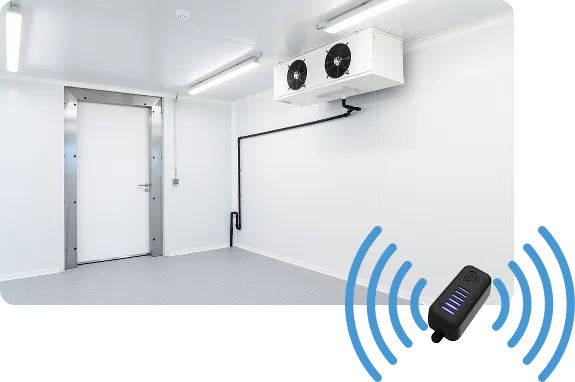
TxH Sensor Operates Without Store WiFi or Power Outlets
TxH sensors require no store WiFi credentials, no power outlets at each sensor location, and no IT department involvement at any point in deployment or ongoing operation. The gateway that connects TxH sensors to the monitoring dashboard connects to power and standard ethernet connection — setup completes in under 5 minutes. A full grocery store deployment, covering coolers, freezers, walk-in units, and hot holding equipment, completes in under 3 hours with a battery life of up to 10 years per sensor before the first battery replacement.
Automated Monitoring Outperforms Manual Logging
| Manual Logging | Automated Monitoring | |
|---|---|---|
Temperature Checks |
2-4 times per day |
Automatic, every 1 minute, 24/7 |
Overnight Coverage |
None |
Full coverage with instant alerts |
Cold Storage Monitoring |
Spot checks only |
Continuous (coolers, freezers, walk-ins) |
Hot Holding Monitoring |
Often overlooked or rushed |
Continuous (deli cases, hot bars, rotisserie) |
Staff Time Required |
4-6 hours/week |
Near zero |
Compliance Reports |
Manual paperwork |
Auto-generated, audit-ready |
Equipment Failure Detection |
After the fact |
Predictive alerts before failure |
Human Error Risk |
High (missed entries, wrong readings) |
Eliminated |
Ready to Protect Your Store?
Don’t wait for a costly emergency before setting up your monitoring system. Stop avoidable damage before it happens!
Reach out for a custom quote for your store. We’ll assess your needs and come up with a solution that keeps you (and your revenue!) protected.
Standards & Programs Supported by Rivercity Monitoring
Our monitoring systems are designed to support the environmental controls, documentation, and traceability required by recognized industry standards and regulatory programs.*
By automating temperature and environmental monitoring, we help organizations meet the operational requirements needed to qualify for or maintain compliance with programs such as: